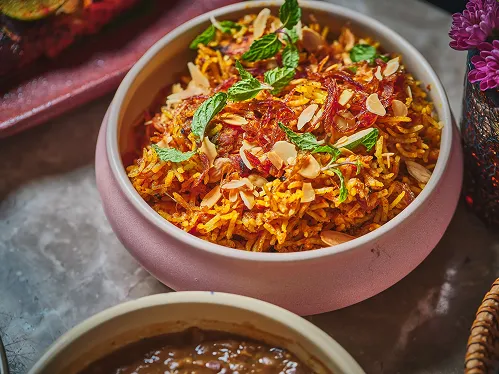
Biryani is the dish that quiets a table. The lid lifts, a cloud of saffron-scented steam rolls out, and for a moment nobody speaks. Layers of long-grain rice, spiced meat, and golden onions, sealed and slow-cooked until every grain carries flavour: that is biryani at its finest.
Whether you are cooking at home or searching for good food in Hoi An, this guide covers it all. You will learn where biryani came from, what goes into it, how to cook it step by step, and the secrets that keep every grain fluffy instead of sticky.
What Is Biryani? (History & Origin)
Biryani is a layered rice dish in which marinated meat, vegetables, or paneer is cooked together with partially boiled basmati rice and whole spices. The final stage, called dum, seals the pot so the food finishes in its own steam.
The word is usually traced to Persian roots, either birinj (rice) or birian (fried before cooking). Persian-influenced cooks carried rice-and-meat traditions into the Indian subcontinent, and the royal kitchens of the Mughal era refined them into the dish we know today. Popular legend credits imperial chefs with the idea of slow-cooking rice and meat together, though food historians still debate the exact timeline.
What is certain is how far biryani travelled and how many identities it took on:
Hyderabadi biryani: bold, spicy, cooked in sealed pots with raw marinated meat.
Lucknowi (Awadhi) biryani: delicate, fragrant, and gently spiced.
Kolkata biryani: milder, often paired with potato and egg.
Malabar biryani: coastal, aromatic, built on short-grain rice and fried onions.
Each region proves the same point: biryani is less a single recipe than a living tradition.
Ingredients for Biryani (Rice, Masala, and Marinade)
Great biryani starts with a shopping list that respects each component. Think of three building blocks.
The Rice
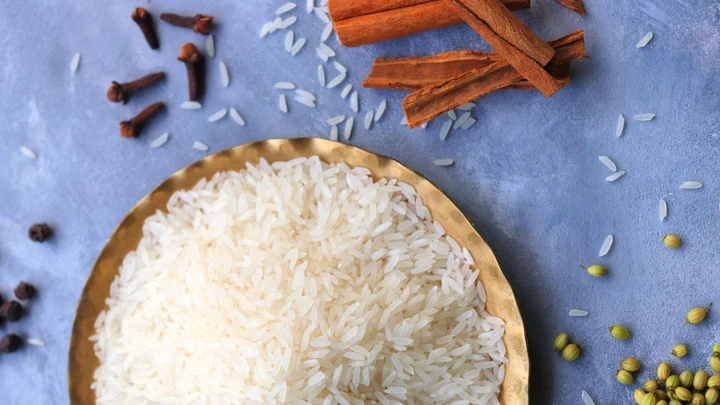
Aged, long-grain basmati rice (about 500 g for 4 to 5 servings)
Whole spices for the boiling water: bay leaf, green cardamom, cloves, cinnamon stick
Salt, a squeeze of lemon, a few mint leaves
Aged basmati elongates as it cooks and stays separate, which is why it beats ordinary rice here.
The Masala
Thinly sliced onions, fried until deeply golden (this is birista)
Ginger-garlic paste, green chillies, fresh mint, and coriander
Ground spices: red chilli, turmeric, coriander, garam masala, plus a pinch of shahi jeera
Ghee for richness and saffron soaked in warm milk for colour and aroma
The Marinade
500 to 600 g chicken, mutton, or vegetables
Thick whisked yogurt, which tenderizes and adds gentle tang
Ginger-garlic paste, half of the fried onions, chilli powder, turmeric, garam masala, salt, and lemon juice
The marinade is where flavour is born, so give it time.
How to Make Biryani Step-by-Step (Marination + Dum)
Step 1: Marinate
Mix the meat with every marinade ingredient. Cover and rest it in the fridge for at least 4 hours, ideally overnight. Vegetables need only 30 to 60 minutes.
Step 2: Soak and Par-Boil the Rice
Rinse the basmati until the water runs clear, then soak for 30 minutes. Bring generously salted water with whole spices to a rolling boil, add the rice, and cook until it is about 70 percent done. The grain should break easily but still feel firm at the centre. Drain at once.
Step 3: Cook the Base
Heat ghee in a heavy-bottomed pot. Add the marinated meat and cook on medium heat until it is about three-quarters done and the gravy thickens. Vegetables need less time.
Step 4: Layer
Spread the meat evenly. Top with rice, then scatter fried onions, mint, coriander, saffron milk, and a spoonful of ghee. Repeat if you want a second layer.
Step 5: Seal and Dum
Cover the pot with a tight lid, or seal the rim with dough. Cook on high heat for 3 to 4 minutes, then lower the flame and let it steam for 25 to 30 minutes. Switch off the heat and rest for 10 minutes before opening.
Step 6: Serve
Fold the layers gently from the bottom so rice and meat mingle. Serve with raita, salan, and a fresh salad.
Would you rather taste it than cook it? Phirangg serves slow-cooked biryani made the traditional way, sealed, rested, and finished with fragrant saffron. Book your table at Phirangg https://phirangg.com/#booktableand let the kitchen do the work.
7 Secrets for Perfect Biryani (Fluffy, Not Sticky)
These small habits separate a showstopper from a soggy pot.
Wash and soak the rice. Rinsing removes surface starch, the main cause of stickiness.
Never fully cook the rice before dum. Seventy percent is the target; steam does the rest.
Use plenty of water to boil. Roomy water keeps grains from clumping.
Fry the onions patiently. Golden, not dark brown, gives sweetness without bitterness.
Keep the meat gravy thick. Excess moisture turns rice mushy.
Seal the pot tightly. Escaping steam means uneven, dry rice.
Rest before serving. Ten quiet minutes let the layers settle and the aroma deepen.
Master these, and your biryani will come out fragrant, separate, and beautifully layered every time.
Where to Find the Best Biryani in Hoi An
Hoi An is famous for cao lau, white rose dumplings, and bánh mì, so it surprises visitors that Indian cooking has found such a warm home here. If you are comparing the best places to eat in Hoi An, you will notice that variety is the real draw: street stalls, riverside cafes, and every kind of restaurant in Hoi An from casual to fine dining.
For travellers who crave something deeply spiced after days of lighter Vietnamese flavours, a proper plate of biryani hits the spot. Many Indian restaurants in Hoi An, Vietnam serve it, but quality varies widely. Look for a kitchen that marinates overnight, cooks on dum and uses real basmati.
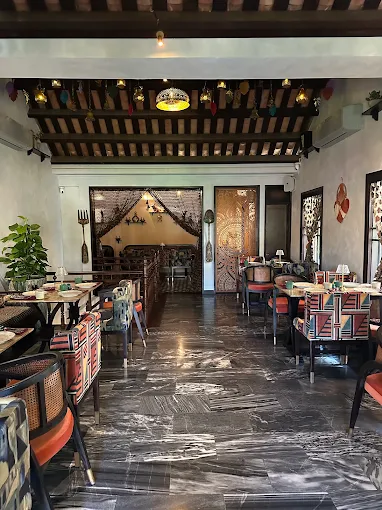
That is exactly the standard Phirangg works to. Whether you are exploring the Old Town and hunting for the best restaurant in Hoi An Old Town or simply asking locals for the best Indian restaurant in Hoi An, the answer to a satisfying meal is the same: fresh ingredients, patient cooking, and generous hospitality. For many guests, it is a top restaurant in Hoi An for an unhurried dinner, with the polish of fine dining and the comfort of home cooking.
If you want good food in Hoi An that feels memorable rather than rushed; this is where to start. Good eats in Hoi An should surprise you, and a steaming pot of biryani does.
Frequently Asked Questions About Biryani
What is the difference between biryani and pulao?
In biryani, the meat or vegetables and the rice are cooked separately first, then layered and finished with dum. Pulao is usually cooked in one pot with the rice absorbing the stock directly, so it tastes milder and simpler.
How long does biryani take to cook?
Expect 30 to 45 minutes for active cooking plus 4 hours or overnight marination for meat. The dum stage alone takes roughly 25 to 30 minutes.
Why does my biryani turn sticky or mushy?
The usual culprits are unwashed rice, overcooked rice before layering, too much water in the gravy and a loose lid. Follow the secrets above and the texture will improve quickly.
Where can I find the best Indian restaurant in Hoi An for biryani?
Choose a place that marinates properly and cooks with dum. Phirangg is a strong choice for biryani and the kind of restaurant in Hoi An that treats Indian food with real care.
Final Thoughts on Biryani
Biryani rewards patience. From its Persian-Mughal roots to the regional styles loved today, it is a dish built on layers: of rice, of spice, and of history. Get the marinade right, par-boil the rice carefully, and respect the dum, and you will taste why biryani has been celebrated for centuries.
And if you are in Vietnam and want biryani cooked by people who live and breathe it, skip the guesswork. Reserve your table at Phirangg today at https://phirangg.com/#booktable and experience authentic biryani, rich Indian flavours and the best of food in Hoi An, all in one unforgettable meal.