
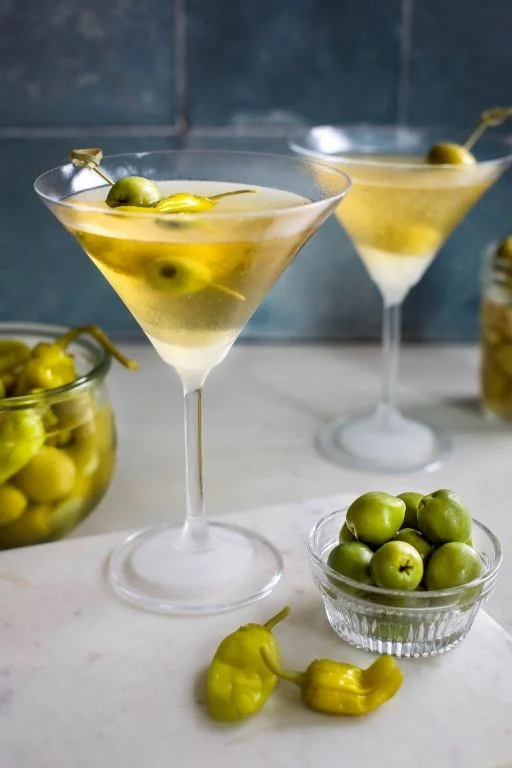
A Dry Martini is cold, clear, and quietly confident. Two or three ingredients, a chilled glass and a twist or an olive: nothing to hide behind, which is exactly why it is the benchmark of a great bar.
Whether you are mixing one at home or looking for a polished evening out in Hoi An, this guide walks you through what a dry martini is, the ingredients, the ideal ratio, the stirred method, and the great shaken versus stirred debate.
What Is a Dry Martini?
A dry martini is a cocktail of gin and dry vermouth, stirred with ice, strained into a chilled glass, and finished with a lemon twist or an olive. The word “dry” refers to the vermouth: the less of it you use, the drier the drink.
The Martini family grew out of 19th-century drinks that used sweet vermouth. As tastes moved toward crisper, more savoury cocktails, bartenders swapped in dry vermouth, and the modern Dry Martini took shape. Several bars and cities claim the original, and the true story remains happily disputed.
What has not changed is its reputation: elegant, spirit-forward, and unapologetically adult.
Ingredients for a Dry Martini (Gin, Dry Vermouth, Olives)
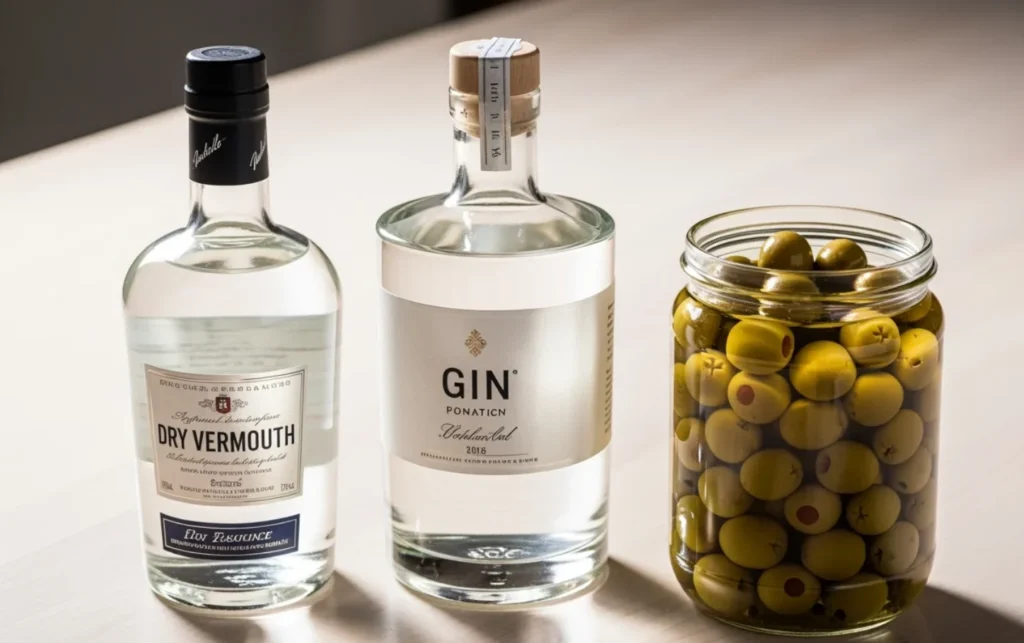
Because the recipe is so short, every ingredient matters.
Gin
Choose a classic London Dry style with a clear juniper backbone. Citrus-led or floral gins also work, but juniper is the soul of a traditional dry martini.
Dry Vermouth
Vermouth is a fortified, aromatised wine, and it goes stale. Buy small bottles, keep them in the fridge after opening, and use them within a few weeks. Old vermouth is the quietest way to ruin a Dry Martini.
Garnish
- Lemon twist: bright oils over the surface, a lighter, more aromatic sip.
- Green olives: savoury and salty, with a rounder finish.
- Cocktail onion: turns it into a Gibson, a close relative.
Ice and Glassware
Use large, hard, clean ice and a stemmed glass kept in the freezer. A warm glass undoes everything else.
The Perfect Dry Martini Ratio (5:1, 6:1, Extra Dry)
The ratio is where taste becomes personal. Here are the common styles:
- 3:1 (gin to vermouth): softer and more rounded, closer to the older style.
- 5:1: a balanced modern Dry Martini, with the vermouth clearly present.
- 6:1: crisp, gin-forward, and a favourite of many bartenders.
- Extra dry: a rinse of vermouth around the glass, or only a few drops. Very cold, very sharp.
For a standard serving, try 60 ml gin with 10 ml dry vermouth (6:1) and adjust from there. Change one thing at a time and you will quickly find your signature.
How to Make a Dry Martini Step-by-Step (Stirred Method)
Step 1: Chill the Glass
Fill a coupe or Martini glass with ice and water, or keep it in the freezer for at least 15 minutes.
Step 2: Fill the Mixing Glass
Add plenty of cold ice, then pour in the vermouth first and the gin after it.
Step 3: Stir
Stir smoothly with a long bar spoon for 25 to 30 seconds. You want the drink ice-cold with a little dilution, not cloudy or watery.
Step 4: Strain
Discard the ice from your serving glass and strain the drink straight in.
Step 5: Garnish
Express a lemon peel over the surface and drop it in, or add two or three olives on a pick.
Prefer someone else to do the stirring? Phirangg pours a refined Dry Martini the traditional way: well chilled, properly diluted, and served with care. Reserve your table at Phirangg https://phirangg.com/#booktable and start the evening in style.
Shaken vs Stirred: Which Is Correct?
Popular culture made “shaken, not stirred” famous, but classic bartending favours stirring for a Dry Martini. Here is why:
- Clarity: stirring keeps the drink silky and transparent. Shaking adds air bubbles and tiny ice shards that cloud it.
- Texture: a stirred Dry Martini feels smooth and weighty.
- Control: stirring gives precise chilling and dilution.
Shaking is not forbidden. Some drinkers enjoy the colder, sharper, slightly diluted result. But if you want the textbook version, stir.
Gin Martini vs Vodka Martini: Which Is Better?
The original dry martini is made with gin, and purists will tell you the botanical complexity is the point. A vodka version, often called a Vodkatini, is cleaner and more neutral, letting the vermouth and garnish speak louder.
- Choose gin for herbal depth, juniper, and a drink with character.
- Choose vodka for a smooth, minimal, easy-sipping style.
Neither is wrong. If you are new to the drink, try both side by side and decide which one feels like yours.
A Dry Martini Evening in Hoi An

Hoi An is known for lantern-lit streets, riverside terraces, and some of the best places to eat in Hoi An. Visitors usually come for cao lau and street snacks, then discover that the town has a growing appetite for polished cocktails and fine dining.
If you are searching for the best restaurants in Hoi An, Vietnam, think beyond a single plate. A good restaurant in Hoi An pairs great food with thoughtful drinks, and a well-made Dry Martini is a sign that the bar team cares.
Phirangg is built around that idea. As one of the best Indian restaurants in Hoi An, it brings bold spice, careful technique and an elegant bar together under one roof. Many guests looking for the best restaurant in Hoi An Old Town want exactly this mix of good food in Hoi An and a drink worth lingering over.
Pair a crisp Dry Martini with warming, aromatic Indian dishes, and you will see why it works. The cold, clean spirit refreshes the palate between richly spiced bites, making Indian restaurants in Hoi An, Vietnam a surprisingly natural home for classic cocktails.
Frequently Asked Questions About the Dry Martini
What is in a dry martini?
A Dry Martini contains gin and dry vermouth, stirred over ice and garnished with a lemon twist or olive.
What does “dry” mean in a martini?
It refers to the amount of dry vermouth. A drier Dry Martini uses less vermouth, so the gin stands out more.
What is the best ratio for a dry martini?
Most bartenders favour between 5:1 and 6:1 gin to vermouth. Beginners often start at 3:1 or 4:1, then dry it out gradually.
Where can I enjoy a great cocktail with dinner in Hoi An?
Look for a top restaurant in Hoi An with a serious bar. “Phirangg” offers handcrafted cocktails alongside Indian cuisine, a strong choice for good eats in Hoi An.
Final Thoughts on the Dry Martini
The Dry Martini rewards restraint. Fresh vermouth, good gin, plenty of ice, and a steady hand are all you need. Find your ratio, stir with patience and choose your garnish with intent.
And when you would rather sit back and sip, book your table at Phirangg today: https://phirangg.com/#booktable. Enjoy a perfectly made Dry Martini, richly spiced Indian dishes, and one of the most memorable evenings in Hoi An.